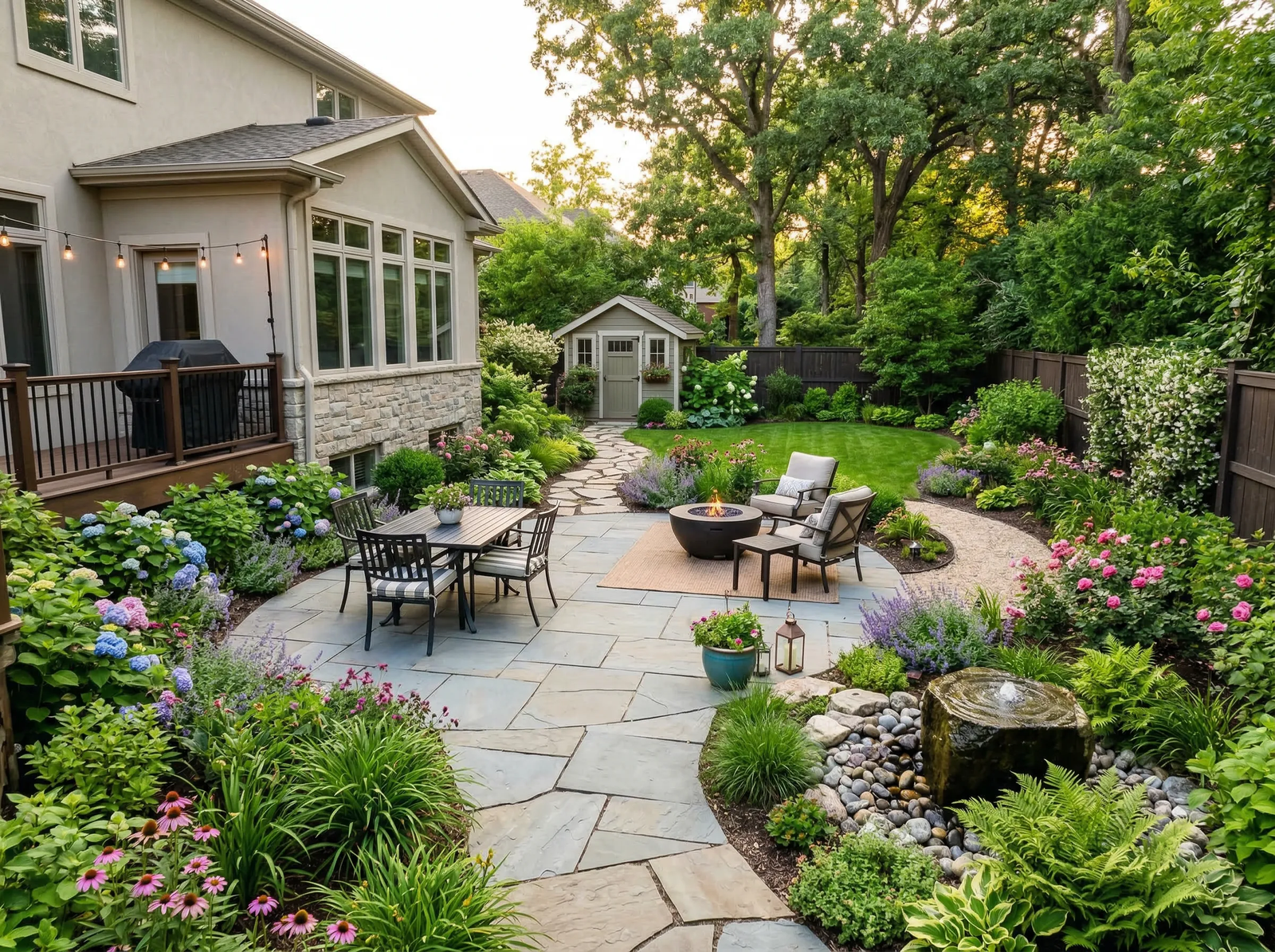
Yard Art Landscaping: Transform Your Charleston Property with Professional Lawn Care
A beautiful yard does more than make your home look attractive. It creates a welcoming first impression, gives you a comfortable place to relax, and turns an ordinary outdoor area into an extension of your living space. Whether you picture a lush green lawn, colorful flower beds, neatly trimmed shrubs, or a thoughtfully designed outdoor retreat, achieving that look takes planning, consistent care, and an understanding of the local environment. For homeowners and property managers in Charleston, South Carolina, the right landscaping approach can make all the difference.
Yard Art Landscaping focuses on the connection between reliable lawn care, practical property maintenance, and attractive landscape design. From keeping grass healthy during the warmer months to refreshing garden beds and maintaining clean outdoor spaces, a comprehensive landscaping strategy helps your property look its best throughout the year. Rather than treating mowing, planting, and seasonal cleanup as unrelated chores, a full-service landscaping management approach brings these tasks together in a coordinated plan.
Charleston presents its own landscaping opportunities and challenges. Warm weather encourages vigorous growth, humidity can contribute to lawn diseases, and coastal conditions influence which plants and grasses thrive. Local homeowners need solutions that account for sunlight, drainage, soil conditions, and changing seasonal demands. With a property-specific plan, Yard Art Landscaping can help homeowners explore practical ways to maintain their lawns, improve curb appeal, and create outdoor spaces that suit their lifestyles.
Why Professional Landscaping Matters in Charleston
Professional landscaping is about much more than appearance. A well-maintained property combines healthy vegetation, thoughtful design, suitable plant choices, and routine upkeep. When these elements work together, your yard becomes easier to manage and more enjoyable to use. Regular maintenance can also help identify emerging problems, such as thinning grass, drainage issues, weed growth, and damaged shrubs, before they become more difficult to address.
For Charleston homeowners, local knowledge matters because the Lowcountry has a warm, humid climate and a mixture of coastal and inland growing conditions. A lawn near the water may face different soil and salt-exposure challenges from a property farther inland. Similarly, a shady yard beneath mature oak trees needs a different strategy from an open lawn that receives direct sunlight for most of the day. Effective landscaping starts by understanding these differences instead of applying the same treatment to every property.
Understanding Charleston’s Coastal Climate and Growing Conditions
Charleston’s long, warm growing season supports several warm-season grasses, including Bermuda, centipede, St. Augustine, and zoysia. However, these grasses differ in their tolerance for shade, drought, foot traffic, salt exposure, and maintenance requirements. Clemson Cooperative Extension’s guide to turfgrasses for the Carolinas explains why selecting grass according to regional conditions and intended use is an important first step in establishing a healthy lawn.
Consider a backyard that receives intense afternoon sunlight. A grass variety that performs well in full sun may be suitable, while the shaded area beneath a large tree could need a different approach. Soil drainage adds another layer of complexity. Heavy rainfall can leave poorly drained areas saturated, while sandy soils may lose moisture relatively quickly. By assessing sunlight, soil, drainage, and existing vegetation, a landscaping professional can recommend a plan that better matches the property’s needs.
Coastal exposure is another consideration. Salt spray, wind, and periods of intense heat may influence plant selection, particularly in exposed locations. Native and regionally adapted plants can be useful options when their light, moisture, and soil requirements match the site. Instead of choosing plants solely because they look attractive at a garden center, homeowners benefit from considering how those plants will perform after months or years in their actual landscape.
The Benefits of Consistent Lawn Maintenance
A lawn rarely becomes unhealthy overnight. More often, small issues accumulate: grass grows too tall between cuts, weeds spread through thin patches, irrigation misses certain areas, and fallen leaves block sunlight. Routine maintenance helps prevent these problems from becoming the defining features of your yard. Regular mowing, edging, debris removal, and visual inspections also keep the property looking orderly between major landscaping projects.
Consistent care supports healthier grass when the maintenance schedule matches the turf species and growing conditions. Cutting grass too short, for example, can expose soil, weaken the lawn, and encourage weed establishment. Watering too frequently may keep the surface persistently wet, while inadequate irrigation during dry periods can stress the roots. Fertilizing without understanding the lawn’s nutrient requirements can create unnecessary growth or contribute to turf decline.
Professional lawn maintenance offers a practical advantage for busy homeowners and property managers who cannot consistently monitor these details. A planned schedule helps coordinate routine services with seasonal needs, reducing the guesswork involved in managing an outdoor space. Over time, this approach can make the yard more predictable to maintain and easier to enjoy.
Comprehensive Lawn Care Services for Healthier Grass
Healthy grass needs more than occasional mowing. It benefits from an integrated program that considers cutting height, soil conditions, nutrient availability, weeds, irrigation, and seasonal growth patterns. The right combination depends on the type of turf, the property’s use, and the condition of the lawn when maintenance begins.
Yard Art Landscaping can position lawn care as a coordinated service rather than a collection of disconnected treatments. Homeowners may need weekly or biweekly mowing during active growth, periodic edging, seasonal cleanup, or help improving thin and uneven areas. Some properties may also benefit from soil testing, targeted weed management, or a review of their watering practices. A service plan should prioritize the tasks that will make the greatest difference to each lawn rather than recommending unnecessary treatments.
Lawn Mowing, Edging, and Routine Maintenance
Mowing is one of the most visible parts of lawn care, but doing it correctly involves more than running a mower across the grass. Different turf varieties have different ideal cutting heights, and mowing frequency should reflect growth rather than a rigid calendar alone. Clemson Extension’s grass selection guide compares the maintenance requirements of common lawn species, including their recommended mowing heights and general maintenance levels.
For example, Bermuda grass is commonly maintained at a shorter height and generally needs more frequent mowing than centipedegrass. St. Augustinegrass is typically kept taller, while zoysia varieties differ in their ideal cutting heights. Following species-specific guidance helps preserve enough leaf area for healthy growth. A useful rule is to avoid removing too much of the grass blade at one time, particularly when the lawn is already stressed by heat or drought.
Edging creates a clean boundary between turf, walkways, driveways, and planting beds. Trimming around fences and landscape features keeps areas that a mower cannot reach looking consistent. Blowing or collecting debris from paved surfaces completes the appearance and helps keep entrances and patios tidy. These finishing touches may seem minor, but together they create the polished look that makes a property feel carefully maintained.
Routine inspections are equally valuable. During maintenance visits, attention to bare patches, standing water, discolored grass, and spreading weeds can reveal where additional care may be needed. Addressing these warning signs early gives homeowners an opportunity to correct underlying issues rather than repeatedly treating their visible symptoms.
Fertilization, Weed Control, and Seasonal Treatments
Fertilization provides nutrients that grass needs for growth, but the correct product, rate, and application timing depend on the turf species and soil conditions. More fertilizer does not automatically produce a better lawn. Excessive nitrogen can encourage unnecessary growth and contribute to thatch buildup, while poorly timed applications may stress grass that is not actively growing.
Clemson Cooperative Extension recommends using soil-test results to guide fertilizer decisions and explains that warm-season grasses generally benefit from fertilization during active growth rather than before they have fully greened up. Its guidance also highlights differences among grass types, making it especially important to avoid treating every Charleston lawn the same way. Homeowners can consult the Clemson Extension lawn fertilization guidance when planning a treatment schedule.
Weed control also works best as part of an overall lawn health strategy. Weeds often take advantage of bare soil, thin turf, improper mowing, or unsuitable watering practices. Identifying the weed before selecting a treatment helps determine whether a pre-emergent product, a post-emergent treatment, or a change in maintenance practices is appropriate. Any pesticide should be used according to its label and applicable local requirements.
Seasonal treatments should respond to actual conditions rather than automatic assumptions. Pre-emergent weed control, for instance, must be timed around weed germination and local soil temperatures. Fertilizer applications should match the turf’s active growth period and nutrient requirements. When these tasks are coordinated with mowing and irrigation, homeowners can develop a more balanced lawn care program that supports healthy growth without relying on excessive chemical inputs.
Lawn Aeration, Overseeding, and Soil Improvement
Even a lawn that receives regular mowing can struggle when the soil beneath it becomes compacted. Compaction limits the movement of air and water through the soil, making it harder for roots to access the conditions they need. High-traffic areas around patios, play spaces, and frequently used paths may be especially vulnerable. Lawn aeration can help relieve compaction by creating openings in the soil, allowing water, oxygen, and nutrients to move more effectively into the root zone.
The timing and method of aeration depend on the grass variety and its growth cycle. Warm-season grasses generally recover best when aeration takes place during active growth, provided the soil conditions are suitable. Aeration is not a universal solution, however. If poor drainage, excessive shade, unsuitable grass, or irrigation problems are responsible for weak growth, those underlying issues also need attention.
Overseeding can be useful in certain situations, but it is not automatically appropriate for every Charleston lawn. Some warm-season grasses spread through runners and recover under suitable growing conditions, while cool-season turf may require a different renovation strategy. Before adding seed, homeowners should determine why the lawn has thinned and whether the existing grass type is appropriate for the site.
Soil improvement begins with understanding what the soil actually needs. A soil test can help identify pH concerns and nutrient deficiencies, guiding decisions about amendments. Improving drainage, adjusting irrigation, reducing unnecessary traffic, and correcting unsuitable growing conditions may be just as important as adding nutrients. The goal is to build a stronger foundation for grass rather than repeatedly applying products to compensate for a problem that remains unresolved.
Custom Landscaping Design for Charleston Homes
A beautiful landscape should complement the architecture of your home and the way you use your outdoor space. Some homeowners want a simple, low-maintenance yard with clean edges and a few carefully selected plants. Others prefer colorful garden beds, layered shrubs, decorative borders, and inviting areas for entertaining. Custom landscape design brings these preferences together in a plan that considers scale, color, texture, sunlight, drainage, and ongoing maintenance.
Yard Art Landscaping can help homeowners think beyond individual plants and consider the entire property as one connected design. A walkway should lead naturally to an entrance, planting beds should frame rather than overwhelm the house, and lawn areas should serve a clear purpose. When the elements are planned together, the finished landscape looks intentional rather than pieced together over time.
Landscape Planning, Plant Selection, and Garden Design
The first stage of a successful landscape project is understanding the property. Where does sunlight fall in the morning and afternoon? Which areas remain damp after heavy rain? Are there existing trees that provide valuable shade? How much time does the homeowner want to spend maintaining flowers, shrubs, and lawn areas? Answering these questions helps establish a realistic design direction.
Plant selection should balance visual appeal with local growing conditions. Charleston homeowners may consider regionally adapted flowering plants, evergreen shrubs, ornamental grasses, and trees suited to the available space. Plants with similar water and sunlight requirements can be grouped together to simplify irrigation and maintenance. Choosing a sensible mix of plant heights and textures also creates visual interest without making the landscape feel crowded.
Good garden design accounts for how plants will mature. A small shrub beside a window may eventually block the view, while a tree planted too close to a structure may outgrow its allotted space. Understanding mature size, root behavior, and pruning needs helps prevent costly corrections later. It also allows homeowners to enjoy a landscape that develops gracefully over time.
Design should also reflect the property’s character. A traditional Charleston home may benefit from structured planting beds and neatly defined pathways, while a contemporary home could suit simpler lines and restrained plant palettes. Neither style is inherently better; the most successful design is one that fits the architecture, the owner’s preferences, and the practical demands of the site.
Mulching, Flower Beds, Shrubs, and Decorative Features
Landscape beds provide opportunities to introduce color, texture, and structure without covering the entire property in grass. Flowering plants can brighten entrances and patios, while evergreen shrubs provide year-round form. Ornamental grasses and foliage plants create contrast, and thoughtfully placed trees can add shade and soften hard architectural lines.
Mulch can help conserve soil moisture, moderate soil temperature, and reduce some weed growth when applied appropriately. It also creates a consistent finish that makes planting beds look cleaner and more defined. The material should be selected according to the property’s style and maintenance needs, and mulch should not be piled against tree trunks or shrub stems. Excessive mulch can retain too much moisture around plant bases and contribute to plant health problems.
Decorative features can further personalize the space. Natural stone borders, attractive edging, stepping-stone paths, and carefully positioned containers may add character without requiring a complete landscape renovation. The important consideration is balance. Too many competing materials or decorative objects can make a small yard feel crowded, whereas a few well-chosen features can give the entire garden a clear visual identity.
Shrub maintenance helps preserve the design as plants mature. Selective pruning, removal of damaged branches, and periodic shaping can keep plants healthy and prevent pathways or windows from becoming obstructed. Choosing plants that naturally fit their allotted space may reduce the need for frequent severe pruning. With thoughtful planning and routine care, landscape beds can remain attractive without becoming an overwhelming maintenance commitment.