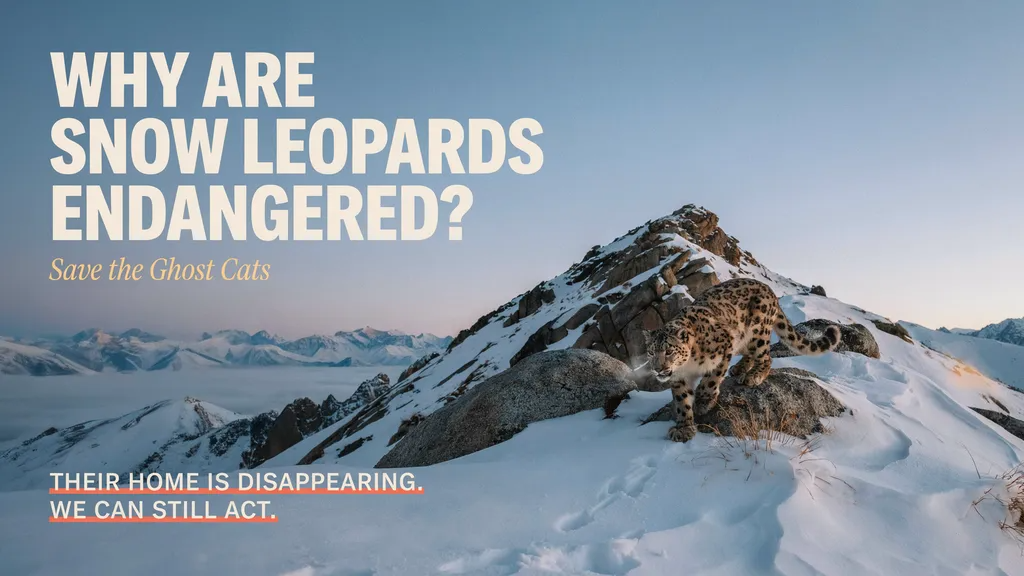
High up in the cold, rocky mountains of Central Asia, a quiet ghost moves through the snow. This is the snow leopard. It wears a thick, grey coat covered in dark spots. This soft fur helps it hide in the rocks and ice. But these beautiful cats are in big trouble. You might wonder, Why Are Snow Leopards Endangered? The answer is not simple. Many things threaten their survival today. Humans share these high mountains and change the land. Climate change also makes their icy homes warmer. If we do not act fast, these wonderful animals might disappear forever. Let us look at why why are snow leopards endangered and what makes their lives so hard in the high peaks. We can learn how to keep them safe in their snowy home.
Where Do Snow Leopards Live?
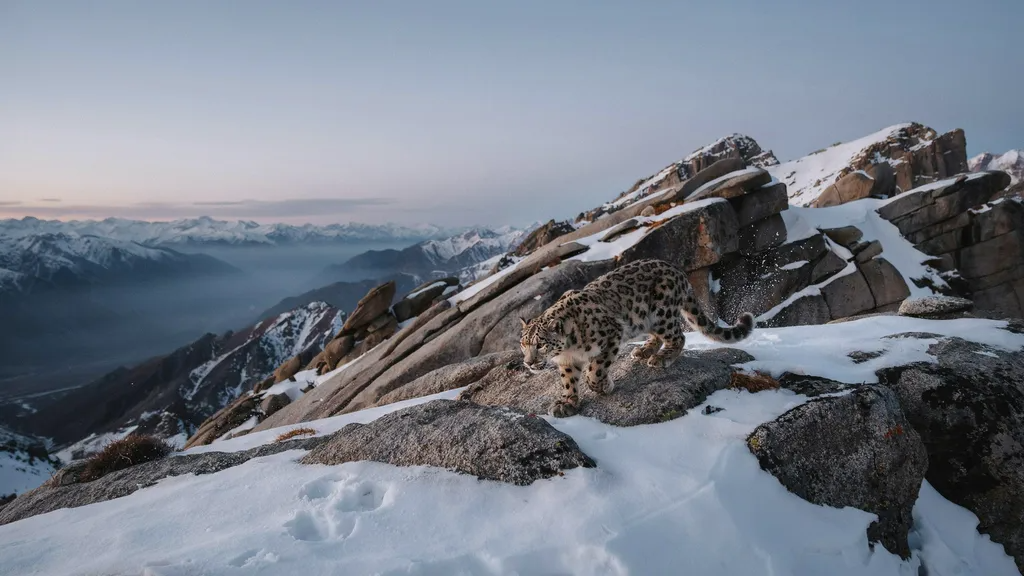
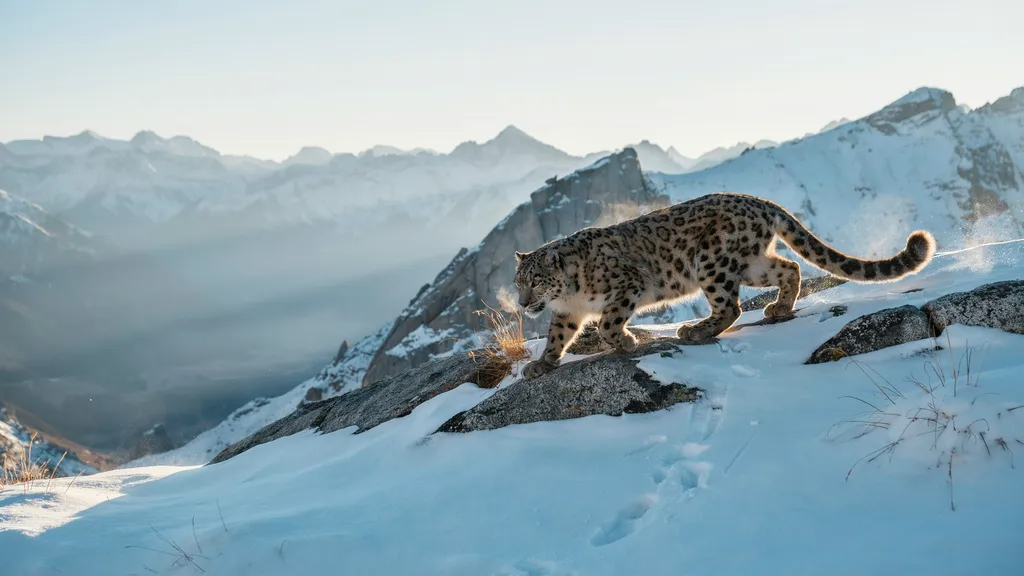
Snow leopards live in some of the highest and coldest places on Earth. They roam the steep mountains of twelve different countries. These places include snowy parts of China, Mongolia, India, and Nepal. The air is thin up there, and the wind blows very cold. These cats love the rough, rocky cliffs. Their large paws act like snowshoes to help them walk on deep powder. A long, thick tail keeps them warm when they sleep in the freezing snow. This harsh home keeps them far away from most people. But living in such a remote place also means they have a very small area where they can find food and raise their cute cubs.
The Threat of Poaching and Illegal Fur Trade
One big reason why are snow leopards endangered is illegal hunting, also called poaching. Bad people hunt these rare cats for their thick, pretty fur. Others sell their bones for old medicines. Even though laws say it is wrong to kill them, poachers still set traps in the dark mountains. Snow leopards are shy and hard to find, but traps do not miss. When a mother cat gets caught, her small babies cannot live on their own. This cruel trade steals these magical cats from the mountains. Stopping bad hunters is a huge job, but local rangers try hard every day to guard the steep mountain trails and catch the thieves.
Loss of Prey and Wild Food Sources
Snow leopards need to eat wild animals like blue sheep and ibex to stay strong. But humans move their farm animals, like goats and sheep, onto the same mountain grass. Soon, the wild sheep and goats have no food left. They move away or get sick. When wild prey becomes hard to find, the snow leopard goes hungry. Sometimes, a hungry cat looks for an easy meal and eats a farmer’s goat. When that happens, angry farmers might try to shoot the big cat to protect their farm. Saving the wild mountain animals means there will be enough food for the snow leopard to eat without touching farm animals.
Conflict with Local Farmers and Herders
Living near people brings big trouble for the big cats. Herders bring their flocks high up the hills in the summer months. A snow leopard sees a slow farm animal and thinks it is an easy snack. Farmers lose money and food when a cat kills their goat. To stop this, some farmers set out poison or shoot the cats. Conservation groups now help build safer barns with strong fences. These safe pens keep the farm animals away from prowling cats at night. When farmers do not lose their goats, they do not feel the need to hurt the rare snow leopards.
Climate Change Melting the High Mountains
The weather on Earth is getting warmer, and that hurts the high mountains a lot. Snow and ice melt faster than before. Plants and trees start to grow higher up the slopes where bare rocks used to be. As the mountain sides change, the snow leopard’s cold home shrinks. The wild animals they hunt must move even higher to find cold weather. The cats have to follow them into smaller and smaller spaces. A warmer mountain means less ice and snow. This major shift in the weather puts the ghost cat’s whole world at risk of fading away into green brush and warm rain.
Mining and Roads Breaking the Mountains
Big companies build loud mines and long roads right through the mountain homes of the cats. Heavy trucks rumble through quiet valleys day and night. Miners blast the rocks to look for valuable metals and stones. This noisy work scares the shy snow leopards away from their favorite paths. New roads also make it easy for bad hunters to reach places they could never walk to before. When their home is chopped into small pieces by deep roads and dirt pits, the cats cannot meet other cats to start families. Keeping the mountains quiet and wild is the only way they can roam freely.
Why Do They Need Small Families?
Snow leopards are solitary animals. They do not live in big groups like lions do. An adult cat likes to walk alone across miles of snowy rock. They only meet other cats when it is time to have babies. Because they live so far apart, finding a mate is hard work. A female has only two or three cubs at a time. The cute little cubs stay with their mother for nearly two years to learn how to hunt. If anything bad happens to the mother, the babies are too small to survive the cold winter. Slow breeding makes it very hard for their numbers to bounce back quickly.
How Communities Help Protect the Cats
People living in the mountains are learning to love their wild neighbors. Local villagers now work as guides for nature lovers who come to spot a glimpse of the cat. Instead of hunting the animals, locals earn money by keeping them alive. They set up special insurance funds. If a cat takes a farmer’s goat, the fund pays the farmer back right away. This smart plan stops the anger and turns poor herders into proud protectors. When local families care about the ghost cats, the poachers have a much harder time hiding in the quiet mountain villages.
Protected Parks and Safe Zones
Governments and smart helpers have set aside special parks high in the rocks. In these safe zones, building new mines or hunting animals is strictly against the law. Park rangers walk through the deep snow to count paw prints and check hidden cameras. These cameras snap cool pictures of cats walking past at night. Safe zones give the animals a quiet place to hunt and play without hearing loud machines or seeing scary traps. Making these parks bigger and stronger helps the snow leopard population grow slowly and safely over the coming years.
What Can You Do to Help?
You might live far away from the snowy mountains, but you can still help save these amazing cats. You can learn cool facts and share them with your friends at school. You can support groups that plant trees or buy safe fences for farmers. Telling others about why are snow leopards endangered spreads good news and care around the world. Every little voice adds up to a big shout for nature. Together, we can make sure the quiet ghost cat keeps walking on the snowy peaks for a very long time.
Complete Detailing Table
| Threat / Topic | Main Cause | How It Hurts the Cat | Best Solution |
| Poaching | Illegal fur and bone trade | Reduces the number of living cats | Stronger patrols and park guards |
| Prey Loss | Overgrazing by farm animals | Leaves no wild food for the cats | Protect wild ibex and sheep |
| Farmer Conflict | Attacks on domestic goats | Leads to angry farmers shooting cats | Build safe, predator-proof barns |
| Climate Change | Rising global temperatures | Shrinks the cold mountain habitat | Reduce carbon and protect nature |
| Mining | Industrial digging and roads | Destroys and breaks up the land | Strict rules on mountain building |
Frequently Asked Questions
What is a snow leopard?
A snow leopard is a large wild cat that lives in the cold, rocky mountains of Central Asia. It has thick fur and a long tail to stay warm.
Why are snow leopards endangered?
They are endangered because of illegal hunting, loss of wild food, warming weather, and people building roads in their mountain homes.
How many snow leopards are left in the wild?
There are only a few thousand snow leopards left roaming the high peaks, making them very rare and hard to spot.
What do snow leopards eat?
They eat wild mountain animals like blue sheep, ibex, hares, and birds found high up in the rocky cliffs.
Can people keep snow leopards as pets?
No, they are wild animals that need a huge mountain home to run and hunt. They cannot live in houses or small cages.
How do people protect snow leopards?
People protect them by setting up safe mountain parks, stopping bad hunters, and helping farmers keep their farm animals safe.
Conclusion
The snow leopard is a true wonder of the high mountains. Seeing one is like catching a glimpse of a magic spirit in the white snow. But our changing world puts this beautiful ghost cat in real danger. We learned why are snow leopards endangered and how human actions and warming weather hurt their icy home. By working together, helping local farmers, and keeping the peaks safe, we can give these cats a bright future. Let us stand up for the quiet wanderer of the peaks and make sure its roar never fades away.