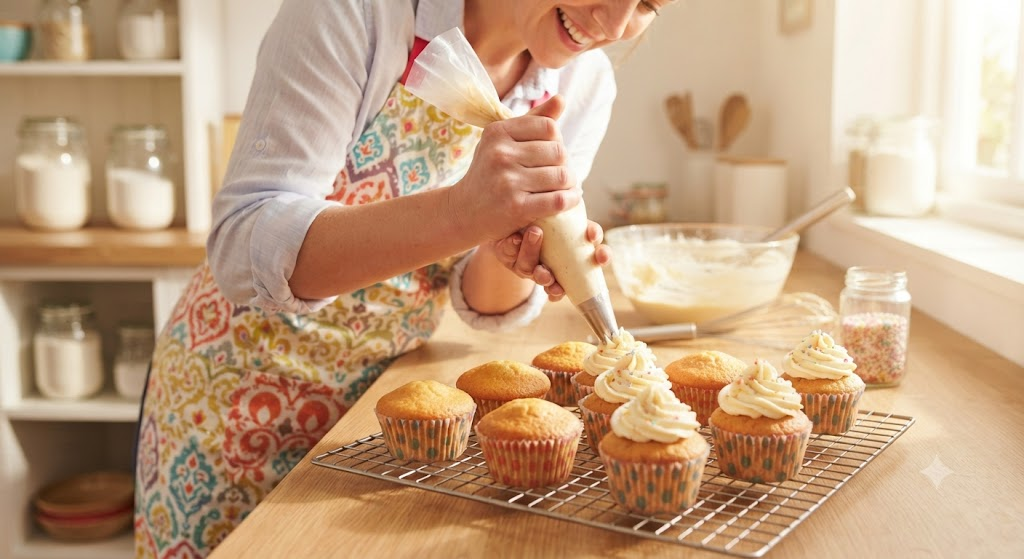
Do you love the sweet Small Cakes of warm sugar and butter in your kitchen? Baking is a wonderful way to spend a rainy afternoon or celebrate a happy day. Today, we are going to talk about a fun treat that everyone adores. We are baking small cakes! These tiny bites of joy are perfect for parties, lunchboxes, or a quick sweet snack after school. You do not need a giant oven or fancy chef skills to make them look amazing. In my own kitchen, I make small cakes whenever friends drop by unexpectedly. They bake much faster than a big birthday cake, and they cool down in no time at all. Plus, decorating them is a fantastic art project you can eat later. Grab your favorite mixing bowl, tie on a bright apron, and let us get started on this sweet baking adventure together.
Why Small Cakes Are the Best Sweet Treat
When you want a quick dessert, small cakes are always the right choice. Big cakes take a long time to bake and even longer to slice up neatly. Small cakes come in individual portions, which makes serving dessert super easy at any gathering. You do not need a knife or extra plates for every single person. I remember baking a batch for a neighborhood picnic last summer, and they disappeared in seconds. Kids love holding them in their hands without making a huge mess on the grass. You can pack them into a small box and take them to the park or a family reunion. They bake evenly in the oven because the heat reaches the middle very fast. That means you get a soft and fluffy texture every single time you turn on your oven. Baking these treats gives you a quick win in the kitchen, building your confidence for bigger recipes later on.
Simple Ingredients You Need in Your Pantry
You do not need a cart full of expensive items to make great small cakes. The best part of this recipe is that you probably have everything sitting in your kitchen right now. You will need all-purpose flour, fresh eggs, granulated sugar, and some sweet butter. Do not forget a pinch of salt to balance out the rich sugary flavor. Milk adds the right amount of liquid to make your batter smooth and runny. A spoonful of baking powder helps your small cakes rise high and stay fluffy in the middle. Vanilla extract gives them that classic bakery smell that makes your whole house feel cozy. When I teach my younger cousins how to bake, we line up all the ingredients on the counter first. This simple trick keeps the baking process calm and organized. Using fresh ingredients makes a big difference in how soft and tasty your final baked treats turn out to be.
Essential Tools for Mini Baking Fun
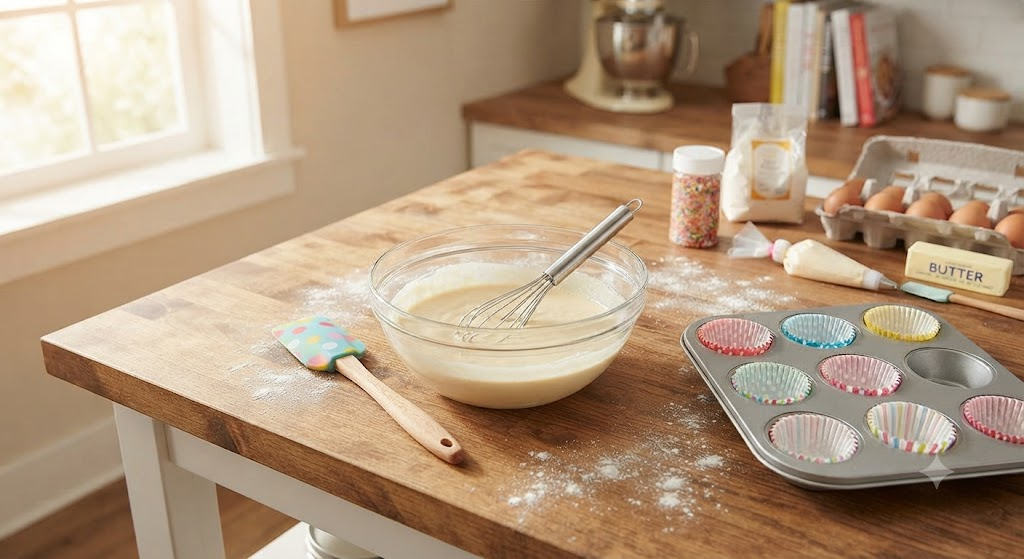
Having the right tools makes baking small cakes feel like a breeze rather than a chore. First, you need a sturdy metal muffin tin or a silicone baking mold with small cups. Paper liners are wonderful because they keep the batter from sticking and make cleanup very fast. A good wire whisk helps you mix the dry flour and sugar without leaving any annoying lumps. You also want a rubber spatula to scrape every last bit of batter out of your bowl. A large spoon or an ice cream scoop helps you drop equal amounts of batter into each cup. When the batter amounts are equal, all your small cakes bake at the exact same speed. I learned this the hard way after burning a few tiny ones while the big ones were still raw. Good tools protect your food and keep your baking time happy and relaxed.
Step-by-Step Guide to Mixing the Batter
Mixing the batter for small cakes is a fun science experiment you can taste. Start by putting your soft butter and white sugar into a large mixing bowl. Use a hand mixer or a strong wooden spoon to beat them until creamy. Add your eggs one at a time and stir well after each egg goes in. Next, pour in your vanilla extract and watch the yellow batter smell amazing. In a separate bowl, mix your flour, baking powder, and salt together with a quick whisk. Slowly add the dry flour mix to your creamy butter mix, alternating with splashes of milk. Stir gently until just combined, but do not overmix or your small cakes will get tough. When I stir the batter by hand, I like to pretend I am casting a magic spell. The smooth, creamy batter should drop slowly from your spoon back into the bowl without breaking.
Baking Tips for a Perfect Golden Finish
Getting the bake just right is the secret to wonderful small cakes. Always turn your oven on to preheat before you start mixing any ingredients. An oven that is already hot helps your little treats rise up tall and proud. Fill your paper liners about halfway full so they have room to grow. Place your metal tin right in the middle rack of your warm oven for even heat. Bake your small cakes for about fifteen to eighteen minutes until the tops look golden. You can test if they are done by poking a toothpick right into the center. If the toothpick comes out clean with no wet batter, your treats are ready. Pull them out of the oven right away and let them rest on a cooling rack. Letting them sit in the hot pan too long can dry out the edges. Patience here ensures your baking results are soft, moist, and delicious.
Fun Frosting and Topping Ideas
Decorating is where your creativity truly shines with small cakes. You can use classic buttercream frosting, smooth chocolate ganache, or a tangy fruit glaze. Tint your white frosting with safe food colors like pink, blue, or sunny yellow. Use a butter knife or a piping bag to swirl the sweet topping on top. Add colorful rainbow sprinkles, chocolate chips, or fresh berries for an extra crunch. When my family decorates small cakes for birthdays, we set out bowls of different fun toppings. Everyone gets to design their own personal masterpiece before taking the first big bite. A dusting of powdered sugar makes them look snowy and elegant without adding too much heavy frosting. Keep your decorations simple if you are packing them for a school lunch or a fast outdoor picnic snack.
Creative Flavor Variations to Try
You can change up your small cakes every time you bake a new batch. Stir some mini chocolate chips directly into the batter for a double chocolate surprise. Lemon zest and fresh lemon juice give a bright and zesty flavor for warm summer days. Ground cinnamon and nutmeg turn your basic batter into a cozy autumn spice treat. Swirl a spoonful of strawberry jam into the middle of each cup before baking. During the holidays, crushed peppermint or pumpkin puree makes your small cakes taste seasonal and festive. I love experimenting with crushed nuts or shredded coconut folded gently into the sweet batter. These small changes keep baking exciting and let you use up ingredients in your pantry. Your friends and family will be amazed at how many different flavors you can create from one basic recipe.
Storing Your Baked Goods for Later
Proper storage keeps your leftover small cakes tasting fresh for days. Let your baked goods cool down all the way before putting them away in a box. Warm treats trap moisture inside the container and make the paper liners soggy and wet. Place them inside an airtight plastic container to keep the air out and the softness in. You can keep them on the kitchen counter for up to two days in mild weather. If you want them to last longer, slide the container right into your refrigerator for a week. Bring them back to room temperature before eating so the butter flavor tastes rich again. I often freeze a batch of plain small cakes without any frosting for unexpected visitors. Just pop them into the microwave for ten seconds, and they taste like they came straight from the oven.
Fun Ways to Share and Serve
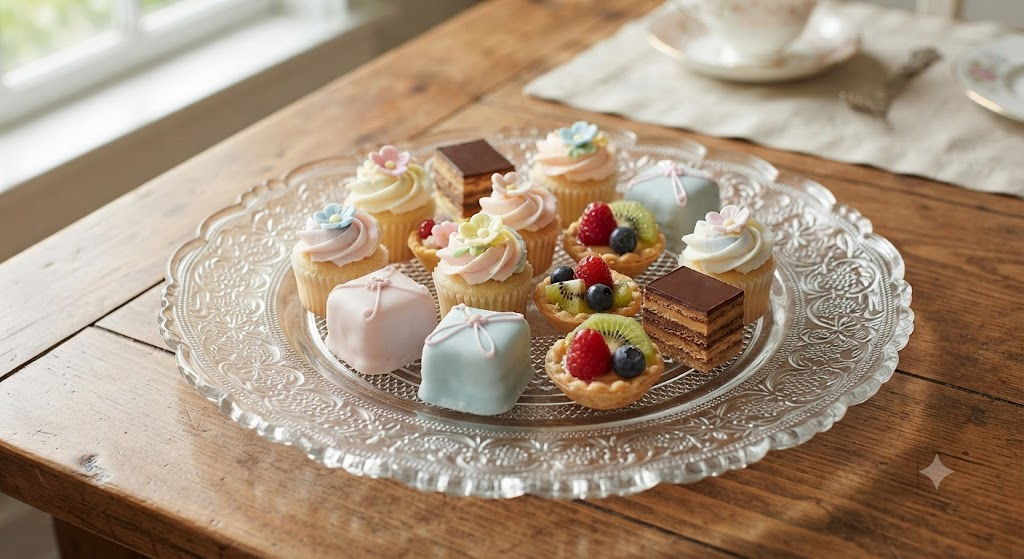
Sharing your homemade small cakes brings joy to the people around you. Arrange them on a pretty glass plate in the middle of your dining room table. Wrap a few of them in a clear plastic bag tied with a ribbon for a gift. Teachers, neighbors, and coworkers are always thrilled to receive a sweet homemade snack during the day. When I bring small cakes to community gatherings, I love watching people smile at the colorful decorations. You can serve them alongside a tall glass of cold milk or a warm cup of herbal tea. They make any ordinary Tuesday afternoon feel like a special holiday celebration with your loved ones. Baking is a gift of love that connects people through sweet flavors and shared moments in the kitchen.
Conclusion
Baking small cakes at home is a rewarding, joyful, and simple kitchen project. You have learned how easy ingredients, basic tools, and a little bit of patience come together. Whether you love chocolate chips, bright sprinkles, or plain vanilla, these mini treats never fail to impress. Try baking a fresh batch this weekend and share them with the people you care about most. What flavor of small cakes will you mix up first in your kitchen today?
Frequently Asked Questions
How long do small cakes need to bake in the oven?
Small cakes usually bake for fifteen to eighteen minutes at a moderate temperature. Always check them with a toothpick in the center to make sure they are fully done.
Can I freeze small cakes after they are baked?
Yes, you can freeze them easily for up to two months. Make sure you freeze them plain without any frosting or wet toppings on top.
Why did my small cakes turn out flat?
Flat treats often happen if your baking powder is old or expired. Always check your leavening ingredients to ensure your batter gets a good rise.
Do I need a hand mixer to make the batter?
A hand mixer makes creaming butter and sugar very fast and easy. However, you can also use a strong wire whisk and a wooden spoon by hand.
How do I stop the batter from sticking to the pan?
Using paper muffin liners or greasing the metal cups with butter stops sticking. This helps your small cakes pop out cleanly when they finish baking.
Can I make the batter ahead of time?
It is best to bake the batter right after mixing it together. Leaving the wet batter sitting on the counter too long can make the baking powder lose its strength.