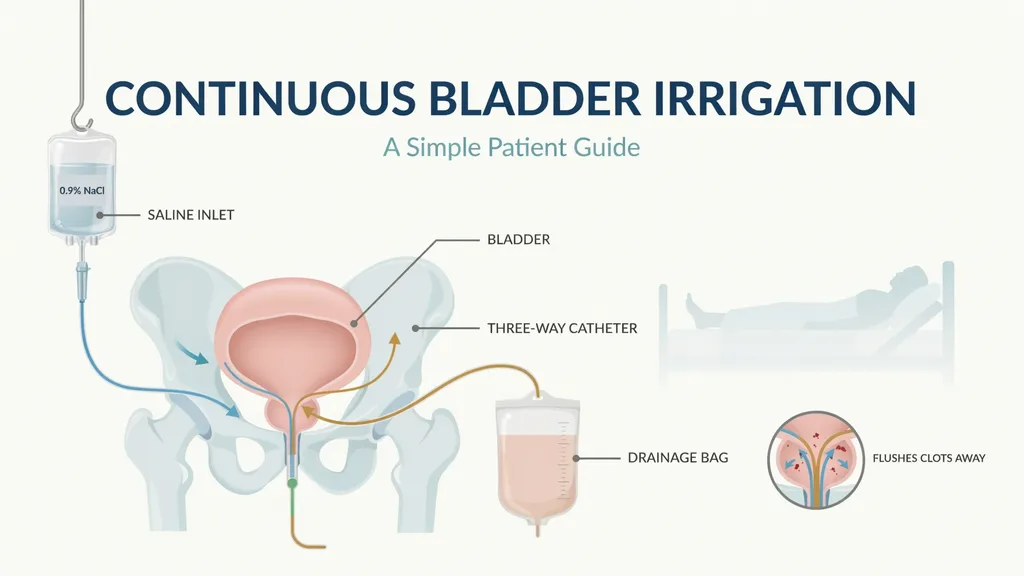
Continuous bladder irrigation is a special medical procedure used to keep the bladder clear. Doctors often use it after someone has surgery on their prostate or bladder. The main goal of Continuous Bladder Irrigation is to prevent blood clots from forming inside the bladder. By constantly flushing the bladder with a sterile saline solution, the system keeps everything flowing smoothly. Think of it like a steady, gentle rinse that prevents blockages. This process is very important because it helps the body heal after a procedure. If the tubes get blocked by clots, it can cause pain or other issues. When the system works right, it stays clean and helps the patient feel much more comfortable while they recover.
What Is Continuous Bladder Irrigation?
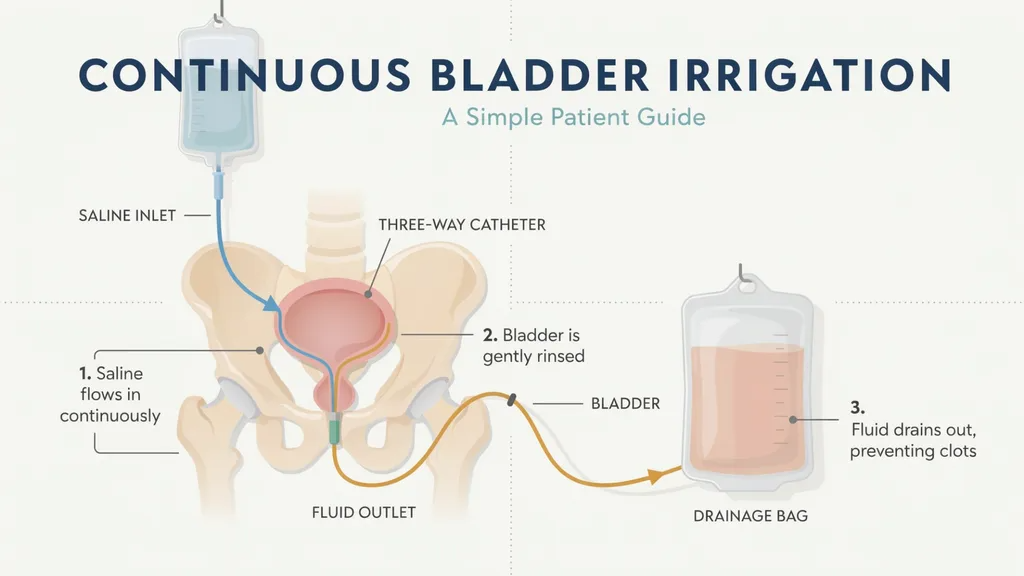
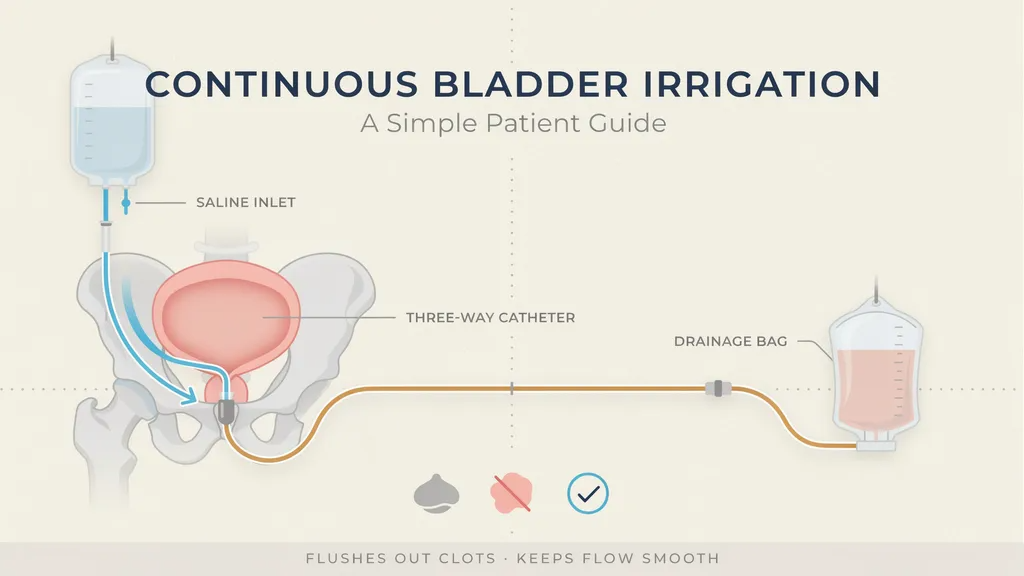
At its simplest, continuous bladder irrigation is a way to wash out the bladder constantly. A nurse places a special tube, called a catheter, into the bladder. This tube has three different paths. One path holds the catheter in place, the second lets urine drain out, and the third brings the cleaning fluid in. The fluid, which is usually salt water, flows into the bladder and then drains back out. This setup ensures that no thick blood or debris gathers inside. By using continuous bladder irrigation, medical teams can monitor the patient’s recovery very closely. It is a very effective tool for maintaining clear drainage and preventing the discomfort that comes with a blocked catheter.
Why Do Doctors Use This Procedure?
Doctors order continuous bladder irrigation mostly after urological surgeries. When surgery happens in or near the bladder, there is often some bleeding. This is normal, but the blood can mix with urine and create solid clots. These clots are the main enemy because they can stop urine from leaving the body. By using continuous bladder irrigation, the medical team prevents these clots from ever getting big enough to cause a problem. It essentially acts as a safety measure. Keeping the bladder pathways open is the top priority for doctors. This procedure ensures the patient avoids the sharp pain that happens when the bladder cannot empty properly. It makes the post-surgery phase much easier.
How the Catheter System Works
The equipment used for continuous bladder irrigation is quite clever. The sterile fluid hangs on a pole above the patient’s bed. Gravity pulls the fluid through a tube and into the bladder. Because the flow is constant, the bladder never stays completely empty or completely full. This constant cycle is what makes continuous bladder irrigation so successful at keeping the area clean. Nurses carefully watch the drainage bag to see the color of the fluid. If the liquid looks too red or thick, they might turn up the speed of the flow. They constantly adjust the system to match exactly what the patient needs to stay safe and comfortable during the healing process.
Managing the Flow and Drainage
Watching the flow rate is a big part of the job for the nursing staff. They monitor the continuous bladder irrigation equipment every hour. They want the output to look like light pink lemonade. If the drainage starts looking like bright red ketchup, it means there is too much bleeding. When this happens, the nurses increase the drip rate to wash the bladder out faster. This proactive approach keeps the patient from needing more invasive fixes. Managing the continuous bladder irrigation flow effectively means the patient spends less time worrying about blockages. It is a team effort to ensure the fluid keeps moving and the bladder stays free of any dangerous clots.
The Role of Sterile Saline Solution
The liquid used for continuous bladder irrigation is a sterile saline solution. Saline is just a fancy term for salt water that is safe for the body. This fluid is very important because it is gentle on the inside of the bladder. Using anything else could cause irritation or infection. The bags of saline are replaced frequently as they run out. Keeping a steady supply is necessary because stopping the continuous bladder irrigation even for a few minutes could let a clot form. Nurses are experts at swapping these bags quickly. Their speed and care ensure that the continuous bladder irrigation process never stops, which keeps the patient’s recovery on the right track without any interruptions.
What Patients Should Expect
If you are undergoing continuous bladder irrigation, you will likely feel a constant urge to urinate. This is completely normal because the catheter and the fluid make your bladder feel full. It might feel a bit strange at first, but try to relax. You do not need to push to urinate because the continuous bladder irrigation system does the work for you. You will be lying in bed most of the time while the fluid flows. It is important not to pull on the tubes, as that can be very painful. Just focus on resting and letting the nurses take care of the equipment. They are there to make sure you stay comfortable throughout the entire process.
Monitoring for Potential Blockages
Even with the best care, sometimes a small clot can still try to block the tube. This is why nurses check the continuous bladder irrigation drainage bag so often. If the fluid stops coming out, they will take action right away. They might gently flush the tube by hand to clear the path. Catching a blockage early is the key to preventing pain. The team’s goal with continuous bladder irrigation is to keep the path open 24 hours a day. You can help by telling your nurse immediately if you feel sudden pain or pressure in your lower belly. Open communication makes the whole procedure much safer and more effective for you.
Transitioning After the Procedure
Eventually, the bleeding will stop, and the fluid will run clear. This is the sign that the continuous bladder irrigation is almost done. The doctor will then decide when to turn off the flow and remove the catheter. Many patients feel a sense of relief when this happens. Once the continuous bladder irrigation is stopped, you will be encouraged to drink plenty of water. Drinking water helps your body flush out any remaining debris naturally. You might feel a little stinging the first time you go to the bathroom on your own. This is temporary and usually goes away very quickly as your bladder gets used to working normally again.
Tips for a Faster Recovery
Recovering from surgery is a journey, and continuous bladder irrigation is just the first step. Once the catheter is out, keep moving gently. Walking around the room helps your blood flow and aids in digestion. Follow all the instructions your doctor gives you about what you can and cannot do. If you have any questions about your care, always ask your nurse. Being curious about your own health is a great trait. By staying positive and following the plan, you will find that the time after continuous bladder irrigation passes much faster than you expected. You will be back to your normal routine before you know it.
When to Call Your Doctor
Once you are home, pay attention to how your body feels. If you see bright red blood in your urine, or if you cannot urinate at all, call your doctor. These could be signs that you need a check-up. While continuous bladder irrigation prevents most issues, your body still needs time to heal fully. Keep an eye on any fever or chills as well. Being smart about your health is the best way to ensure a smooth path forward. Most people recover perfectly well after their procedure, but being aware of these simple warning signs gives you extra peace of mind as you continue to get stronger every single day.
Comparison Table: Understanding Bladder Care
| Feature | Description | Importance |
| Purpose | Flushes the bladder constantly. | Prevents painful blood clots. |
| Fluid Used | Sterile saline (salt water). | Gentle and safe for healing. |
| Catheter Type | Three-way Foley catheter. | Allows fluid in and urine out. |
| Goal | Clear, light-colored drainage. | Shows that the bladder is clean. |
| Patient Role | Relax and monitor for pain. | Helps prevent accidental tugging. |
Frequently Asked Questions
1. Does continuous bladder irrigation hurt?
It mostly feels like pressure, not sharp pain. You might feel a constant urge to go to the bathroom.
2. How long do I need this procedure?
It depends on your surgery, but it usually lasts for one to three days after the operation.
3. What happens if the tube gets blocked?
The nurse will notice the fluid has stopped and will clear the tube by flushing it manually.
4. Can I get out of bed with the tubes?
It is usually best to stay in bed, but you should ask your nurse about moving safely.
5. Why is the liquid sometimes pink?
A little bit of blood is normal after surgery. The fluid turns pink as it mixes with the urine.
6. Will I have trouble urinating later?
You might feel a little stinging at first, but your ability to urinate will return to normal quickly.
Conclusion
Understanding continuous bladder irrigation makes the recovery process feel much less scary. By knowing how it works and why it is used, you can feel more in control of your health journey. Remember, the medical team is there to help you every step of the way. If you found this guide helpful, please share it with others who might be preparing for surgery. Staying informed is the best way to ensure a fast and comfortable recovery. Do you have any other questions about how to speed up your healing process? I am here to help you get the best information possible!