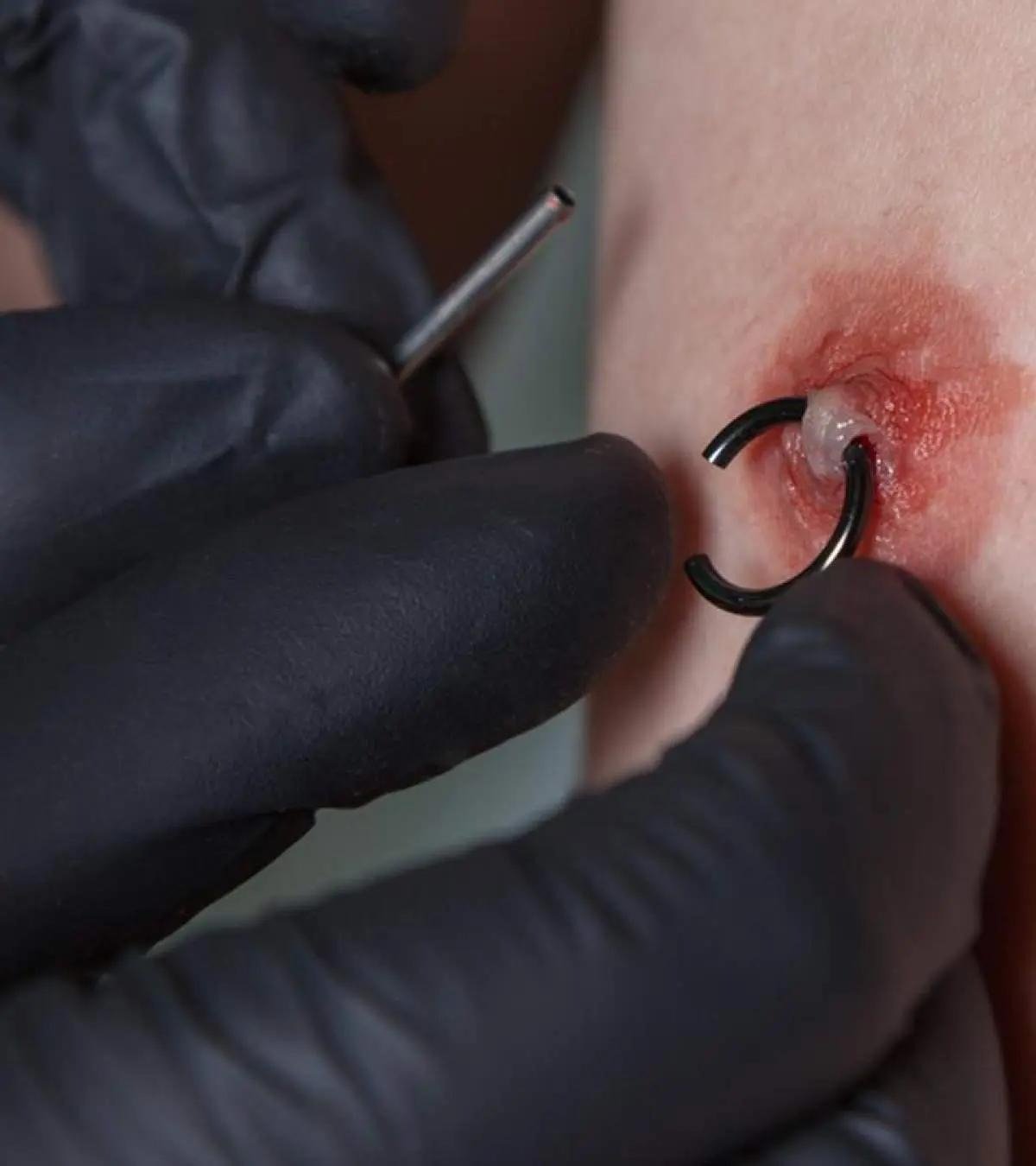
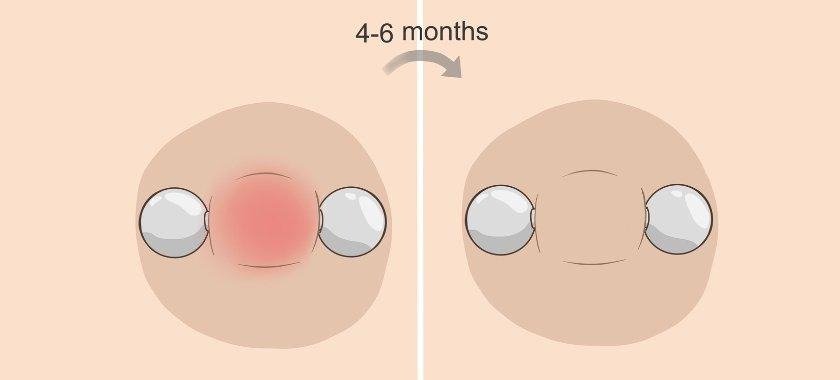
Nipple piercings are known for being more painful than many other types of body piercings due to the high density of nerve endings in the area. While the initial procedure causes a sharp but brief pain, discomfort can persist for days or even weeks during the healing process.
Understanding safe and evidence-based pain management strategies is essential for reducing complications and improving healing outcomes.
Can Lidocaine Spray Help with Pain?
Topical anesthetics such as lidocaine sprays are commonly used to reduce localized pain. Lidocaine works by temporarily blocking nerve signals in the skin, decreasing sensitivity.
A detailed guide on this topic is available here:
lidocaine spray for nipple piercing pain and other options
Lidocaine products can:
- Reduce pain before the procedure
- Ease discomfort during early healing
- Provide short-term relief from irritation
Safety Considerations
While lidocaine is generally safe when used as directed, improper use may cause:
- Skin irritation
- Allergic reactions
- Temporary numbness beyond the intended area
For clinical safety information on lidocaine, see
topical lidocaine medical overview.
Evidence-Based Ways to Reduce Pain



Cold Compresses
Applying a cold compress helps reduce swelling and discomfort.
Proper Aftercare
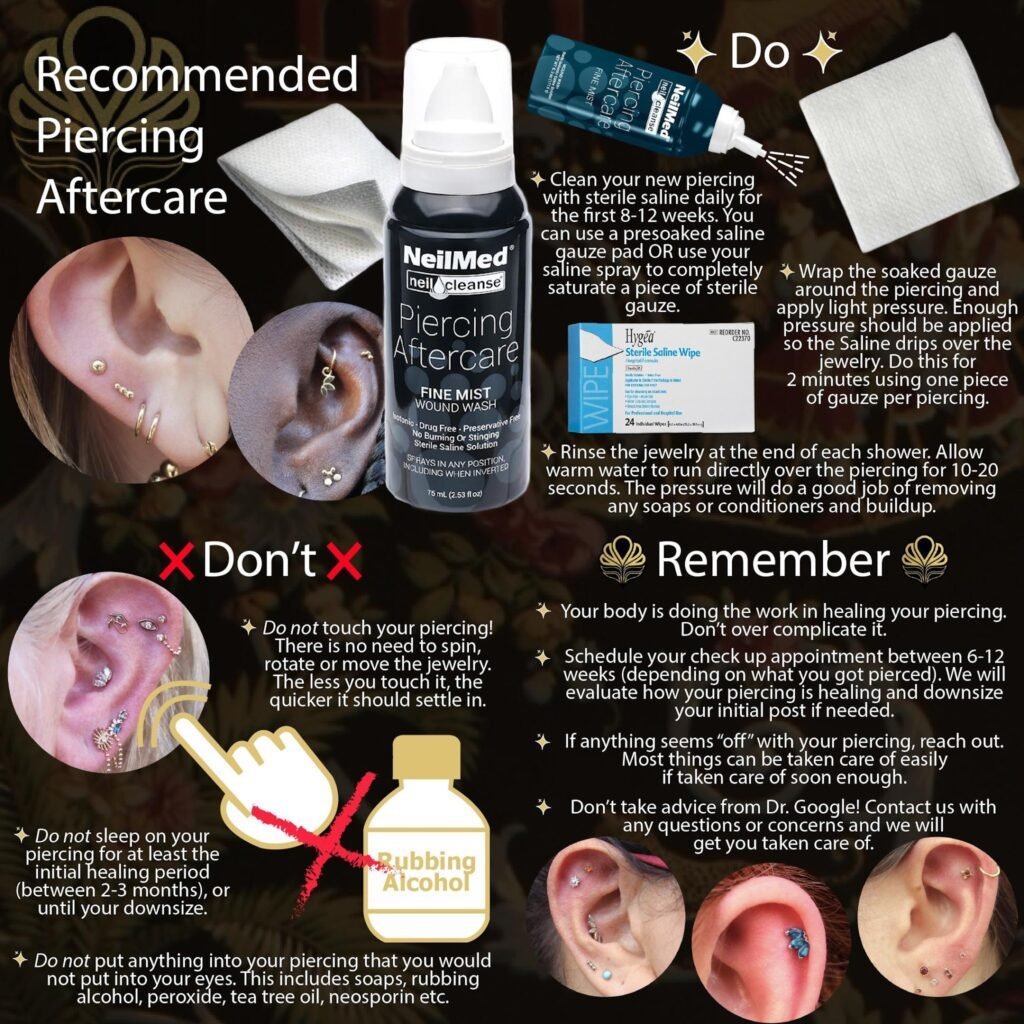
Cleaning with saline solution supports healing and prevents infection.
Pain Relief Medication
NSAIDs such as ibuprofen may reduce inflammation.
Minimizing Friction
Loose clothing helps prevent additional irritation.
Healing Timeline and Expectations
- First days: soreness and swelling
- First weeks: sensitivity gradually decreases
- Full healing: may take several months
Signs of Complications
Seek medical attention if:
- Pain worsens instead of improving
- Abnormal discharge appears
- Severe swelling or redness develops
Conclusion
Lidocaine spray can be an effective short-term solution for nipple piercing pain when used correctly. Combined with proper aftercare and hygiene, it helps ensure a smoother healing process and reduces the risk of complications.