In a time when overflowing landfills and plastic-choked oceans have become defining images of modern life, the concept of waste is undergoing a quiet but powerful transformation. No longer seen as mere discard, waste is increasingly recognized as a resource waiting to be reclaimed. At the heart of this shift stands matarecycler, a concept and movement that reimagines how materials are collected, processed, and reintegrated into everyday use.
Unlike traditional recycling systems that often struggle with inefficiencies and contamination, matarecycler represents a more adaptive, intelligent, and community-driven approach. It blends technology, environmental awareness, and practical innovation to create a circular system where materials are reused rather than abandoned.
The Philosophy Behind Matarecycler
At its core, matarecycler is more than a system—it is a mindset. It challenges the linear “take, make, dispose” model that has dominated industrial production for decades. Instead, it embraces a circular philosophy, where every item is designed and managed with its next life in mind.
This approach rests on a few fundamental principles:
- Waste is a resource, not a burden
- Efficiency should be built into every stage of material use
- Communities play a critical role in sustainability
- Innovation must be accessible, not exclusive
By combining these principles, matarecycler creates a framework that works at both local and global levels. It encourages individuals, businesses, and municipalities to rethink how they interact with materials from the moment they are created to the point they are reused.
How Matarecycler Works in Practice
The operation of matarecycler is designed to be both practical and adaptable. Instead of relying solely on centralized recycling plants, it often incorporates decentralized systems that allow for more efficient processing closer to the source of waste.
Collection and Sorting
The first stage involves smarter collection methods. Unlike traditional systems where all recyclables are lumped together, matarecycler emphasizes precision sorting at the source. This can include:
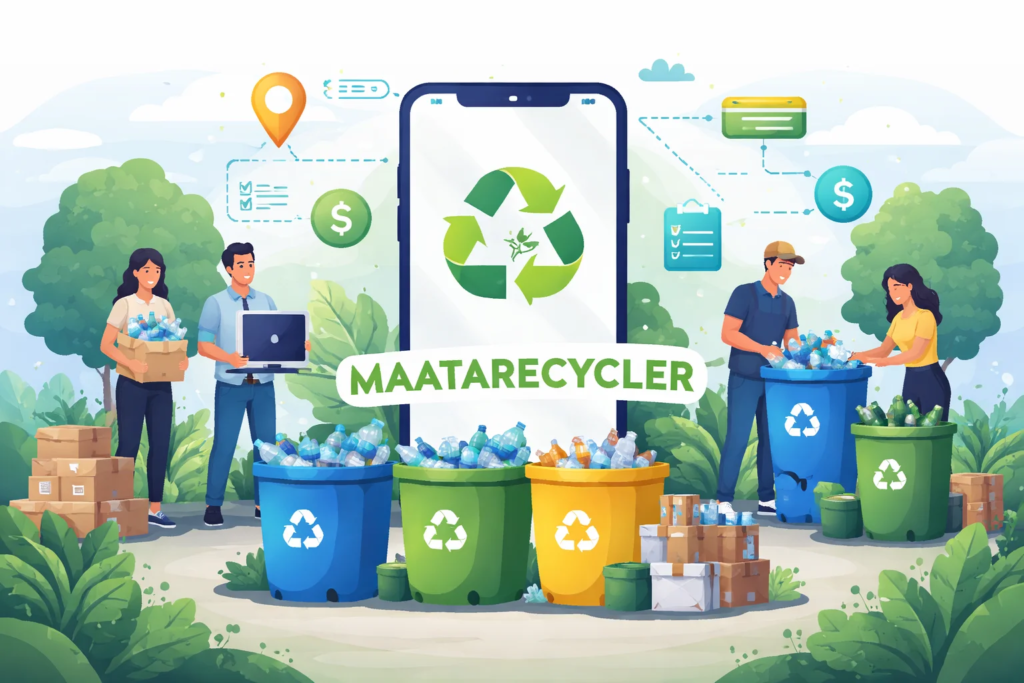
- Color-coded bins with clear material distinctions
- Smart bins equipped with sensors
- Community drop-off hubs designed for specific waste types
By improving sorting accuracy early on, contamination is reduced significantly, making the recycling process far more effective.
Processing and Transformation
Once materials are collected, matarecycler utilizes innovative techniques to transform waste into usable forms. This might involve:
- Mechanical recycling for plastics and metals
- Biological processing for organic waste
- Advanced material recovery systems that extract valuable components
What sets matarecycler apart is its flexibility. It can adapt to different types of waste streams and scale up or down depending on local needs.
Reintegration into the Economy
The final step is where the system truly shines. Instead of downcycling materials into lower-quality products, matarecycler focuses on maintaining or even enhancing material value. This means:
- Recycled plastics becoming durable construction materials
- Organic waste turning into high-quality compost or bioenergy
- Metals being refined for reuse in manufacturing
This closed-loop approach reduces the need for virgin resources and minimizes environmental impact.
Why Matarecycler Matters Today
The urgency of environmental challenges cannot be overstated. With global waste generation expected to rise dramatically in the coming decades, traditional recycling systems alone are not enough.
Matarecycler addresses several critical issues:
1. Reducing Landfill Dependency
Landfills are not just unsightly—they are major sources of methane emissions and groundwater contamination. By diverting waste through matarecycler, communities can significantly reduce their reliance on these sites.
2. Lowering Carbon Footprint
Producing goods from recycled materials often requires less energy than using raw resources. Matarecycler enhances this advantage by optimizing the entire lifecycle of materials.
3. Supporting Local Economies
Because many matarecycler systems are community-based, they create local jobs in collection, sorting, and processing. This decentralized model strengthens regional economies while promoting sustainability.
4. Encouraging Responsible Consumption
When people see how materials are reused, they become more mindful of their consumption habits. Matarecycler fosters a culture of accountability and awareness.
Unique Innovations Driving Matarecycler
One of the most compelling aspects of matarecycler is its embrace of innovation. Rather than relying on outdated infrastructure, it integrates modern technologies and creative solutions.
Smart Recycling Systems
Digital tools play a major role in enhancing efficiency. For example:
- AI-powered sorting machines can identify and separate materials with remarkable accuracy
- Mobile apps guide users on how to dispose of items correctly
- Data analytics help optimize collection routes and reduce fuel consumption
Modular Recycling Units
Instead of massive centralized plants, matarecycler often uses smaller, modular units that can be deployed in urban neighborhoods or rural areas. These units are:
- Easier to maintain
- More cost-effective
- Capable of handling specific types of waste
Upcycling and Creative Reuse
Beyond traditional recycling, matarecycler encourages upcycling—transforming waste into products of higher value. This includes:
- Furniture made from reclaimed wood and plastic
- Fashion items created from textile waste
- Art installations that repurpose discarded materials
These efforts not only reduce waste but also inspire creativity and innovation.
The Role of Communities in Matarecycler
A defining feature of matarecycler is its emphasis on community involvement. Unlike top-down systems, it thrives on grassroots participation.
Education and Awareness
Communities are empowered through education programs that teach:
- Proper waste segregation techniques
- The environmental impact of different materials
- Practical ways to reduce household waste
Collaborative Initiatives
Neighborhoods often organize initiatives such as:
- Recycling drives
- Repair workshops
- Swap events where people exchange items instead of discarding them
These activities strengthen social bonds while promoting sustainable practices.
Incentive Programs
To encourage participation, some matarecycler systems offer incentives:
- Discounts or rewards for consistent recycling
- Community recognition programs
- Partnerships with local businesses
These incentives make sustainability both rewarding and engaging.
Challenges Facing Matarecycler
While the potential of matarecycler is immense, it is not without challenges. Understanding these obstacles is essential for its continued growth.
Infrastructure Limitations
In many regions, the lack of proper infrastructure can hinder implementation. Building and maintaining recycling facilities requires investment and planning.
Behavioral Barriers
Changing habits is often more difficult than implementing technology. People may resist new systems or lack awareness about proper practices.
Economic Constraints
Although recycling can be cost-effective in the long run, initial setup costs can be significant. Securing funding and support is a key hurdle.
Material Complexity
Modern products are often made from mixed materials that are difficult to separate. Matarecycler must continually evolve to address these complexities.
The Future of Matarecycler
Looking ahead, matarecycler is poised to play a crucial role in shaping a more sustainable world. Its adaptability and focus on innovation make it well-suited to address emerging challenges.
Integration with Smart Cities
As urban areas become smarter, matarecycler systems can integrate seamlessly with city infrastructure. This includes:
- Sensor-based waste management
- Automated collection systems
- Real-time monitoring of recycling rates
Expansion into New Industries
Beyond household waste, matarecycler has potential applications in:
- Construction and demolition waste
- Electronic waste recycling
- Industrial byproduct management
These expansions could significantly broaden its impact.
Global Collaboration
Sustainability is a global challenge, and matarecycler encourages collaboration across borders. Sharing knowledge, technology, and best practices can accelerate progress worldwide.
Practical Steps to Embrace Matarecycler
For individuals and organizations looking to adopt the principles of matarecycler, the journey can begin with simple yet impactful actions.
Start with Conscious Sorting
Separate waste into clear categories such as:
- Plastics
- Paper
- Metals
- Organic materials
Even small improvements in sorting can make a big difference.
Reduce Before Recycling
Focus on minimizing waste generation by:
- Choosing reusable products
- Avoiding excessive packaging
- Repairing items instead of replacing them
Support Local Initiatives
Engage with community programs and support businesses that prioritize sustainable practices aligned with matarecycler principles.
Stay Informed
Keep up with new developments and technologies in recycling. Awareness is a powerful tool for change.
A New Perspective on Waste
The rise of matarecycler signals a shift in how society views waste. Instead of seeing it as an inevitable byproduct of consumption, it becomes an opportunity for innovation and renewal.
This transformation requires effort, collaboration, and a willingness to rethink established systems. But the rewards are substantial—a cleaner environment, stronger communities, and a more sustainable future.
Read Also:- Cintia Coció